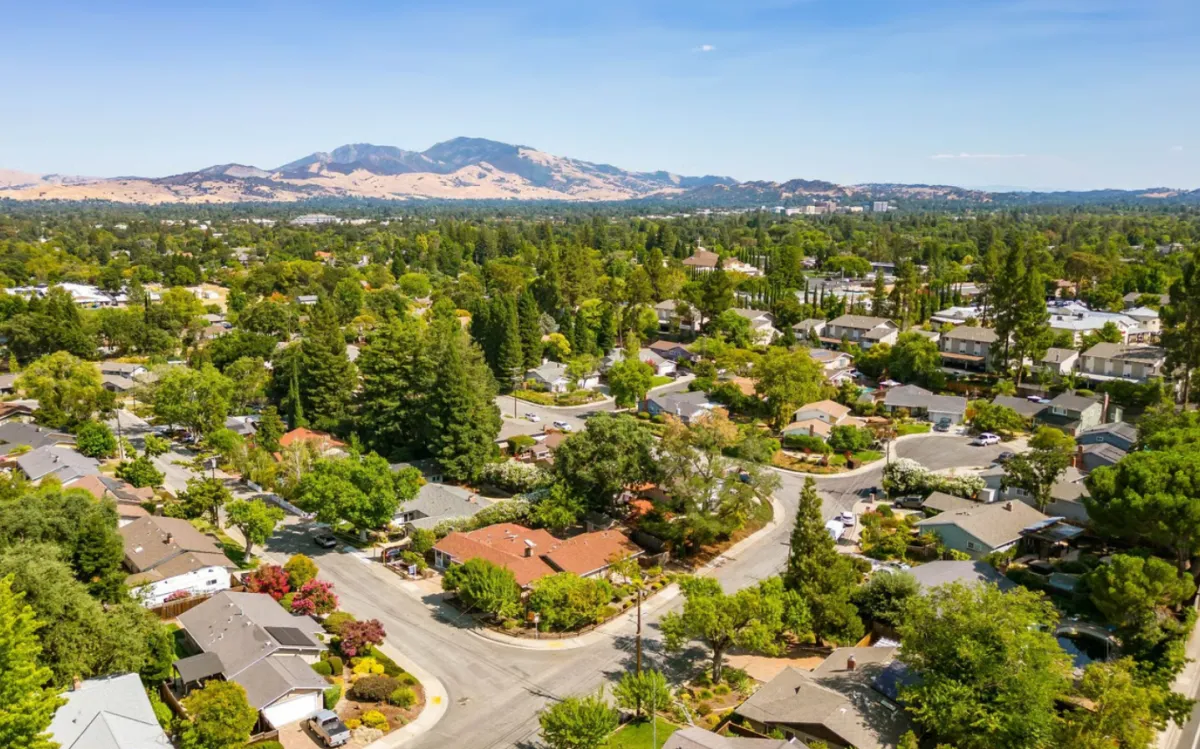
The Step-by-Step Guide to Buying a New Build in Pleasant Hill
There's something exciting about buying a brand-new home. No outdated finishes. No surprise repairs waiting around the corner. Just a fresh start in a home that's built for modern living.
That said, buying a new construction home isn't exactly the same as buying a resale property. Builders have their own processes, contracts, timelines, and upgrade options. If you're not familiar with how it works, it's easy to feel overwhelmed. Understanding the new construction and resale homes comparison can help you decide which path best fits your goals.
The good news is that once you understand the steps, the process becomes much easier to navigate. Here's what you need to know when buying a new build in Pleasant Hill.
Step 1: Get Pre-Approved for a Mortgage
Before you start touring model homes, talk with a lender and get pre-approved.
This gives you a clear picture of what you can afford and helps you focus on homes that fit your budget. It also shows builders that you're a serious buyer, which can make the purchasing process smoother.
As you're reviewing your finances, remember to account for more than just the home's purchase price. Property taxes, homeowners insurance, HOA fees, and moving expenses can all affect your monthly costs.
Step 2: Explore New Home Communities
Not all new construction communities offer the same experience.
Some neighborhoods focus on family-friendly amenities like parks and playgrounds. Others may appeal to buyers looking for low-maintenance living or convenient access to shopping, dining, and major commuter routes.
As you compare communities in Pleasant Hill, it’s worth looking at broader regional trends like new housing developments bringing growth in Pleasant Hill to understand how the area is evolving over time.
As you compare communities, also consider factors such as:
School districts
Commute times
Nearby parks and recreation
Community amenities
Future development plans
A great home in the wrong location can quickly lose its appeal. Make sure the neighborhood fits your lifestyle as well as the house itself.
Step 3: Tour Model Homes
Online photos can only tell you so much.
Walking through a model home gives you a better sense of the layout, room sizes, storage space, and overall design. It also helps you picture how you'll actually live in the home.
While you're visiting model homes, ask questions about:
Available floor plans
Standard features
Upgrade options
Construction timelines
Warranty coverage
The more information you gather, the easier it becomes to compare your options and make a confident decision.
Step 4: Choose Your Lot and Floor Plan
Once you've found a community you like, you'll need to select a lot and floor plan.
This decision can have a bigger impact than many buyers realize.
A home on a cul-de-sac may offer less traffic. A corner lot may provide additional space. Some lots back up to open areas, while others may have future neighbors directly behind them.
Take time to consider how the lot's location could affect privacy, views, noise levels, and resale value down the road.
Step 5: Review the Builder's Contract
Builder contracts are often different from traditional purchase agreements.
Before signing anything, read the contract carefully and ask questions about anything you don't fully understand. Pay close attention to timelines, deposits, cancellation policies, and warranty details.
Many buyers choose to work with a real estate agent who has experience with new construction. Having professional guidance can help you avoid surprises and feel more confident throughout the process.
Step 6: Select Your Design Features
This is usually the most enjoyable part of the process.
Many builders allow buyers to personalize their homes through a design center where you can choose finishes and upgrades.
Depending on the builder, you may be able to select:
Flooring
Cabinets
Countertops
Paint colors
Lighting fixtures
Appliances
It's easy to get carried away here. Focus on upgrades that will add value to your daily life and stay within the budget you've already established.
Step 7: Stay Involved During Construction
After construction begins, you'll likely receive updates from the builder as the project moves forward.
Some builders schedule walkthroughs during different stages of construction, giving buyers the opportunity to see progress and ask questions.
Keep in mind that delays can happen. Weather, labor shortages, permitting issues, and material availability can all affect the timeline. Staying flexible and maintaining regular communication with your builder can help reduce stress along the way.
Step 8: Schedule a Home Inspection
A common misconception is that brand-new homes don't need inspections.
In reality, even new construction can have issues that aren't immediately obvious. Hiring an independent home inspector provides an extra layer of protection before closing.
An inspection can help identify items that may need adjustment or repair while the builder still has the opportunity to address them.
Step 9: Complete the Final Walkthrough
Before closing, you'll complete a final walkthrough of the property.
This is your chance to make sure everything is finished and functioning properly. Look closely at doors, windows, flooring, appliances, fixtures, and electrical outlets.
If you notice any issues, create a punch list so the builder can address them before or shortly after closing.
Taking your time during this step can save headaches later.
Step 10: Close on Your New Home
Once all paperwork has been completed and funds have been transferred, you'll receive the keys to your new home.
It's an exciting moment and the beginning of a new chapter.
Be sure to keep copies of your warranty information, builder contacts, and closing documents in a safe place. Having those records easily available can be helpful during your first year of ownership.
Frequently Asked Questions About Buying a New Build in Pleasant Hill
How long does it take to build a new home in Pleasant Hill?
Construction timelines vary depending on the builder, floor plan, weather conditions, and material availability. Most new construction homes take several months to complete, although some projects may take longer.
Do I need a real estate agent when buying a new construction home?
No, but many buyers find it helpful. A real estate agent can help you compare builders, review contracts, and guide you through the process from start to finish.
Can I negotiate the price of a new build home?
Builders don't always reduce the purchase price, but they may offer incentives such as closing cost assistance, upgrades, or mortgage rate promotions. It's always worth asking what incentives are currently available.
Should I get a home inspection on a brand-new house?
Yes. A home inspection can help uncover issues that may need attention before closing and provide additional peace of mind.
What warranties come with a new build home?
Most builders offer warranties covering workmanship, major systems, and structural components for a certain period of time. Ask your builder for specific details about what's included in their warranty program.
Final Thoughts
Buying a new build in Pleasant Hill gives you the opportunity to own a home that's designed for the way people live today. From choosing a floor plan to selecting finishes and watching the construction process unfold, there's a lot to look forward to.
The key is to take things one step at a time. Start with a clear budget, do your research, ask questions, and don't rush major decisions.
For buyers still weighing their options, understanding best new construction communities in Concord for 2026 can also provide useful regional context when comparing nearby markets.
With the right preparation, you'll be well on your way to finding a new home that fits your needs today and for years to come.
Have questions about buying or selling in the East Bay?
Let’s look at this together. Call or text Jessica at (925) 354-9408, or send a message.
