New Construction vs Resale Homes: Which Is Better for Buyers?
If you’re trying to decide between a new construction home and a resale home, you’re probably realizing pretty quickly that there’s no perfect answer.
Some buyers love the idea of a brand-new house where everything is untouched. Others would rather buy a home with character in an established neighborhood.
Both can be great options. It really comes down to your budget, timeline, lifestyle, and what matters most to you.
If you’re buying in today’s market, this is one of the biggest decisions you’ll make early in the process.
What’s the Difference Between New Construction and Resale Homes?
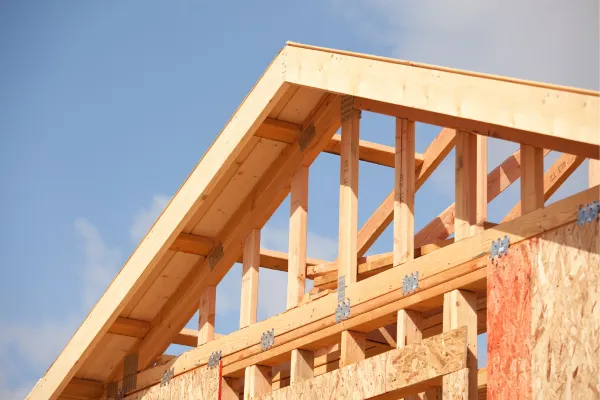
A new construction home is exactly what it sounds like. It’s newly built and usually purchased directly from a builder.
A resale home is a property that’s been lived in before and is being sold by the current owner.
Sounds simple. But the buying experience is completely different.
With resale homes, you’re shopping based on what already exists.
With new construction, you’re often buying something that’s still being built or recently completed.
That changes pricing, negotiations, timelines, inspections, upgrades, and even the neighborhood feel.
Why Buyers Love New Construction Homes
A lot of people are drawn to new construction because everything feels easy and fresh.
No old carpet.
No outdated kitchens.
No wondering when the roof will need replacing.
You walk in and everything smells new. Honestly, that alone sells a lot of homes.
For many buyers, the benefits of buying a brand-new home go far beyond appearance. New homes can offer fewer maintenance surprises and more modern features right from the start.
Lower Maintenance in the Beginning
This is probably the biggest advantage.
Major systems are brand new:
Roof
HVAC
Plumbing
Electrical
Appliances
That usually means fewer repair costs during the first several years.
For buyers who don’t want surprise maintenance expenses, that peace of mind matters.
Modern Layouts
New homes are built for how people live today.
You’ll usually see:
Open floor plans
Bigger kitchens
Large primary suites
Walk-in closets
Energy-efficient windows and appliances
Smart home features
Older homes sometimes feel chopped up by comparison.
Builder Warranties
Most builders include warranties on certain parts of the home.
That doesn’t mean everything is covered forever. But it can help if issues come up after move-in.
Just make sure you actually read the warranty details and understand what buyers should know about builder contracts before signing anything.
Some buyers assume coverage is broader than it is.
Energy Efficiency
New construction homes are often more energy efficient than older homes.
That can mean lower utility bills over time.
Things like insulation, windows, HVAC systems, and appliances are usually built to newer standards.
The Downsides of New Construction
This is where buyers sometimes get surprised.
New doesn’t automatically mean better.
Upgrades Add Up Fast
Builders advertise a base price.
Then you walk into the design center.
That’s where things can get expensive.
The model home you toured probably included upgraded flooring, cabinets, countertops, lighting, and landscaping.
A lot of buyers don’t realize how quickly those costs stack up.
Smaller Lots
In many areas, newer communities are being built with smaller lot sizes.
So yes, you may get a newer house.
But you might also be very close to your neighbors.
For some buyers, that’s fine.
For others, it feels cramped.
Construction Delays Happen
If you’re building from the ground up, timelines can shift.
Weather delays.
Material shortages.
Permit issues.
It happens more than most people expect.
If your move timeline is tight, this matters.
New Neighborhoods Can Feel Incomplete
Sometimes the community is still under construction after you move in.
That can mean:
Ongoing noise
Construction traffic
Missing amenities
Few mature trees or landscaping
Some people don’t mind it.
Others regret not choosing a more established area.
Why Buyers Choose Resale Homes
Resale homes offer something new construction usually can’t.
Character.
And location.
A lot of older neighborhoods are closer to downtown areas, restaurants, parks, and schools.
You’re often getting a community that already feels lived-in.
Established Neighborhoods
This is a huge advantage.
Mature trees.
Larger lots.
Unique architecture.
More personality.
New communities can sometimes feel very similar from house to house.
Resale neighborhoods usually feel more established and varied.
More Negotiation Opportunities
With resale homes, there’s often more room to negotiate.
Depending on the market, buyers may negotiate:
Price
Closing costs
Repairs
Appliances
Move-in dates
Builders tend to be less flexible on pricing.
You See Exactly What You’re Buying
With resale homes, what you see is what you get.
There’s less guessing.
You can walk the neighborhood, check traffic patterns, and get a feel for the area immediately.
That’s harder to do in a brand-new development that’s still being built.
The Downsides of Resale Homes
Of course, resale homes come with trade-offs too.
Maintenance and Repairs
Older homes often need updates eventually.
Maybe not immediately. But eventually.
Things like:
Roof replacement
HVAC repairs
Plumbing updates
Electrical work
A home inspection becomes extremely important here.
Older Floor Plans
Some older homes weren’t designed for modern living.
You may find:
Smaller kitchens
Less storage
Closed-off rooms
Lower ceilings
Some buyers love the charm.
Others feel boxed in.
Competition Can Be Intense
In desirable neighborhoods, resale homes can move fast.
Especially homes that are updated and priced well.
That can create bidding wars depending on the market.
Which Option Is Better Financially?
This depends on your goals.
New construction may save money on repairs early on.
But resale homes may offer better long-term value in certain neighborhoods.
You also need to look beyond the purchase price.
Think about:
HOA fees
Property taxes
Insurance
Utility costs
Renovation expenses
Future resale value
A cheaper home upfront isn’t always cheaper long term.
A Real Example
Let’s say two buyers both have a similar budget.
Buyer one purchases a new construction home farther outside the city.
Buyer two buys an older resale home closer to downtown.
The first buyer gets modern finishes and fewer repairs.
The second buyer gets a shorter commute and a larger yard.
Neither decision is automatically better.
It depends on what matters more to them.
That’s why this decision is personal.
Questions You Should Ask Yourself
Before choosing between new construction and resale, ask yourself:
How important is move-in-ready condition?
Do you want an established neighborhood?
Are you okay with future maintenance?
How important is customization?
Do you want newer design features?
How long do you plan to stay in the home?
Your answers usually make the decision much clearer.
Don’t Skip Inspections on New Construction
This needs to be said because buyers skip this all the time.
Always get inspections.
Even on brand-new homes.
New construction can absolutely have issues.
An independent inspector works for you, not the builder.
It also helps to understand what to expect during the new build process so there are fewer surprises before closing.
That extra step can save you a lot of stress later.
The Best Choice Depends on Your Lifestyle
Some buyers want turnkey and predictable.
Others care more about charm, location, and lot size.
Neither is wrong.
The best home is the one that fits your life and your budget without stretching you too thin.
And honestly, sometimes buyers think they want one option… until they start touring homes.
That happens a lot.
FAQ
Is new construction more expensive than resale homes?
Usually, yes. But not always.
New construction often comes with premium pricing, especially after upgrades are added.
Are resale homes harder to maintain?
They can be.
Older systems and deferred maintenance can create repair costs over time.
Can you negotiate with builders?
Sometimes.
Builders may offer incentives like rate buy-downs or closing cost assistance instead of lowering the price.
Which holds value better?
It depends on location, market conditions, and neighborhood demand.
A well-located resale home can appreciate very well over time.
Should first-time buyers buy new construction?
For some first-time buyers, new construction feels simpler because maintenance is lower early on.
Others prefer resale homes because they may offer better locations or lower upfront pricing.
Final Thoughts
If you’re deciding between new construction and a resale home, don’t focus on which one is “better.”
Focus on which one fits your lifestyle better.
The right house isn’t just about finishes or age.
It’s about how you want to live day to day.
That’s usually what buyers remember most after the move.
